For Spinners & Weavers in Kenya, I worked together with AJ to develop a new collection of handwoven products, creating new opportunities for traditional craftsmanship to reach contemporary markets.
The project starts with a remarkable local material: high-quality wool sourced from sheep farmers in the Kenyan highlands, including fine wool associated with Merino sheep. The wool is spun into yarn by hand and dyed using colours extracted from locally available plants. From raw wool to finished product, the process is closely connected to the local environment and knowledge.
At the heart of the project are the women who make the products. Many travel significant distances to reach the weaving centre — some walking as far as 15 kilometres from their homes. The work provides an important source of income and creates opportunities for women to develop greater economic independence while preserving valuable local skills.
We explored how this craftsmanship could be translated into new, contemporary products that would appeal to tourists as well as customers buying online. Rather than changing the traditional production methods, we designed products around the qualities that make the craft unique: the natural wool, hand-spun yarn, plant-based colours and the subtle irregularities that come with handmade production.
The result is a collection that brings together local materials, traditional knowledge and contemporary design. The project demonstrates how design can build on existing craftsmanship and help create new markets, while keeping the people, materials and cultural knowledge behind the products at its core.

spinners & weavers, kenia
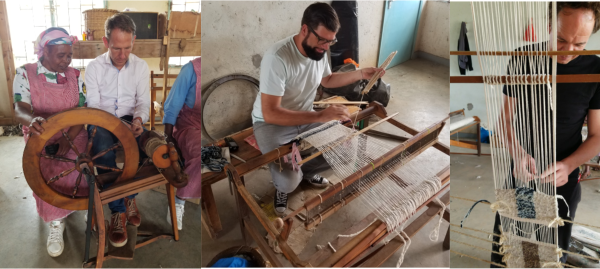
rookies weaving instruction
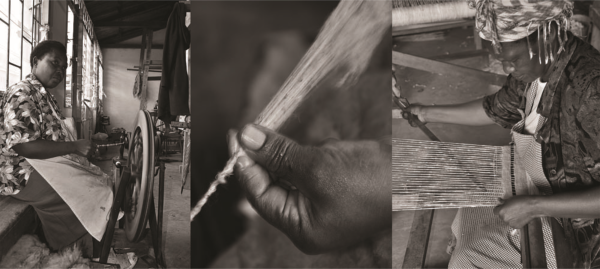
the heroines
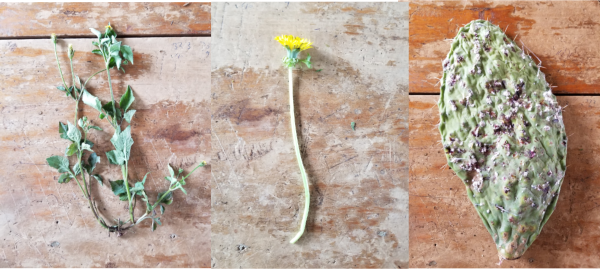
raw materials
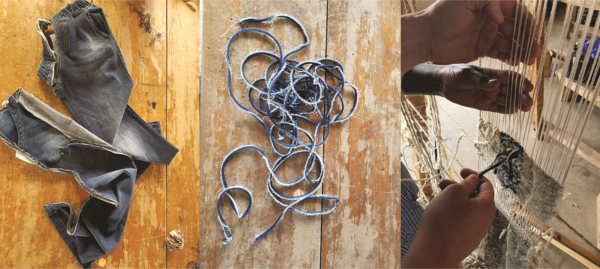
scrap materials
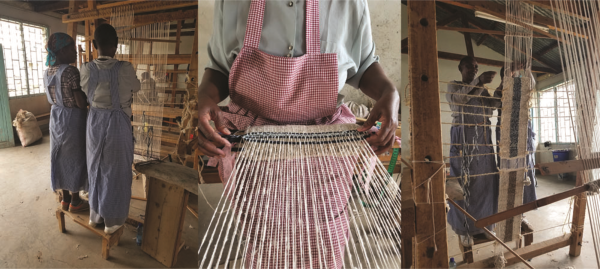
weaving instruction
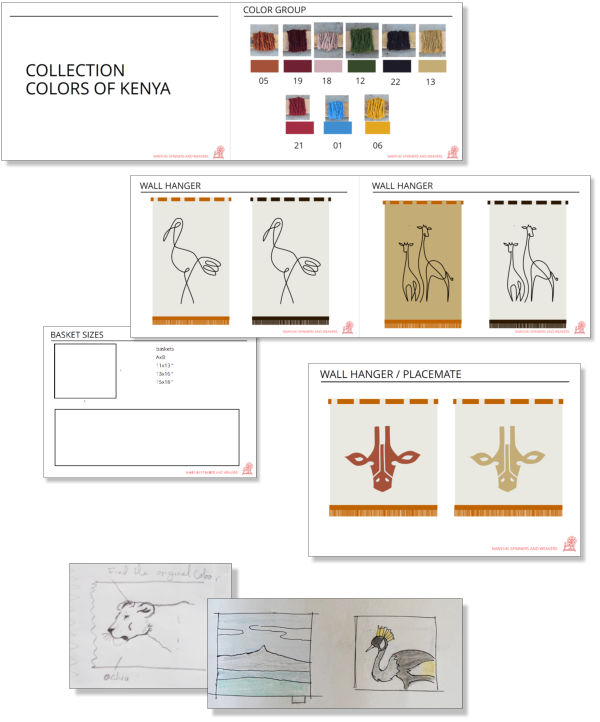
design proposals
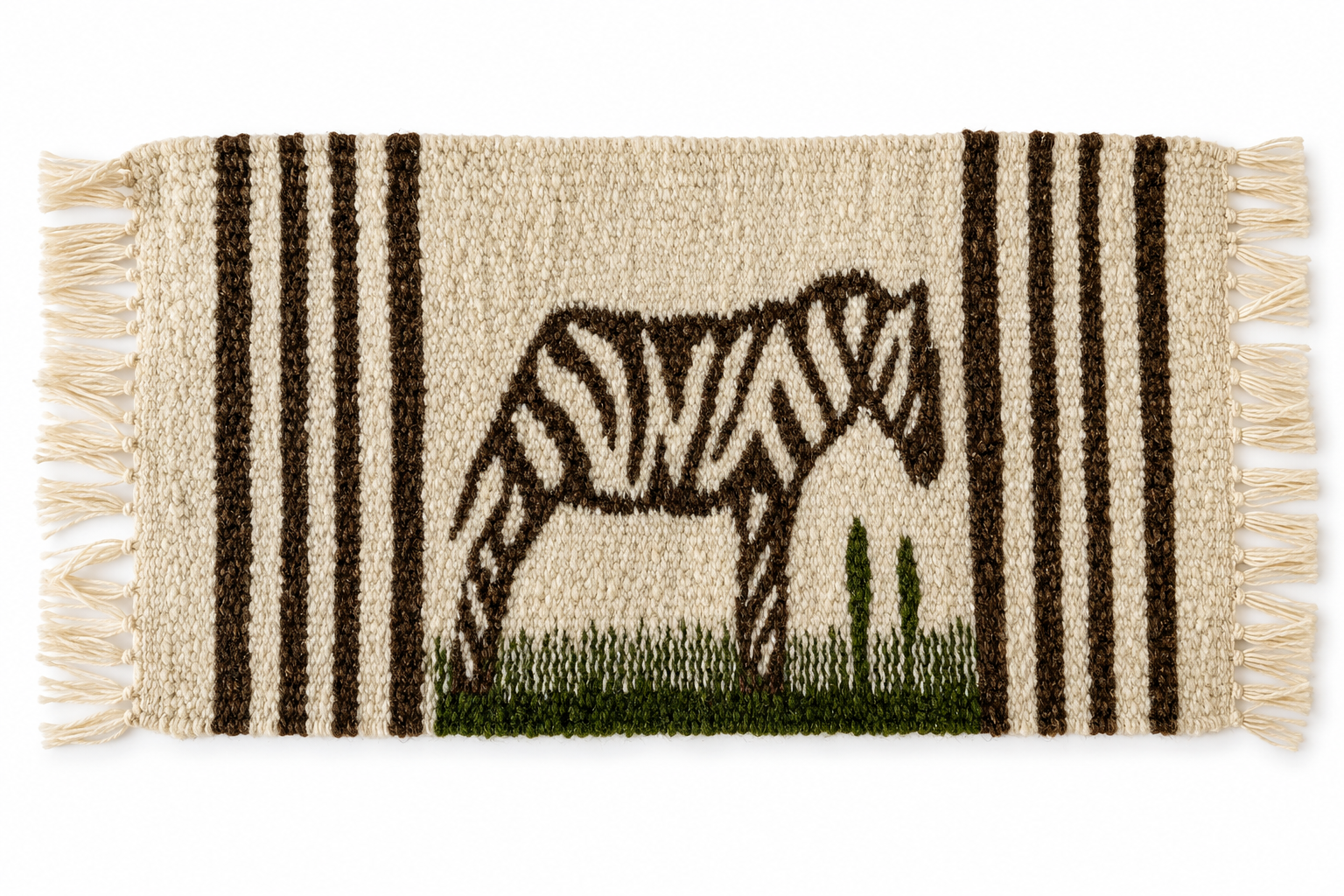
actual products
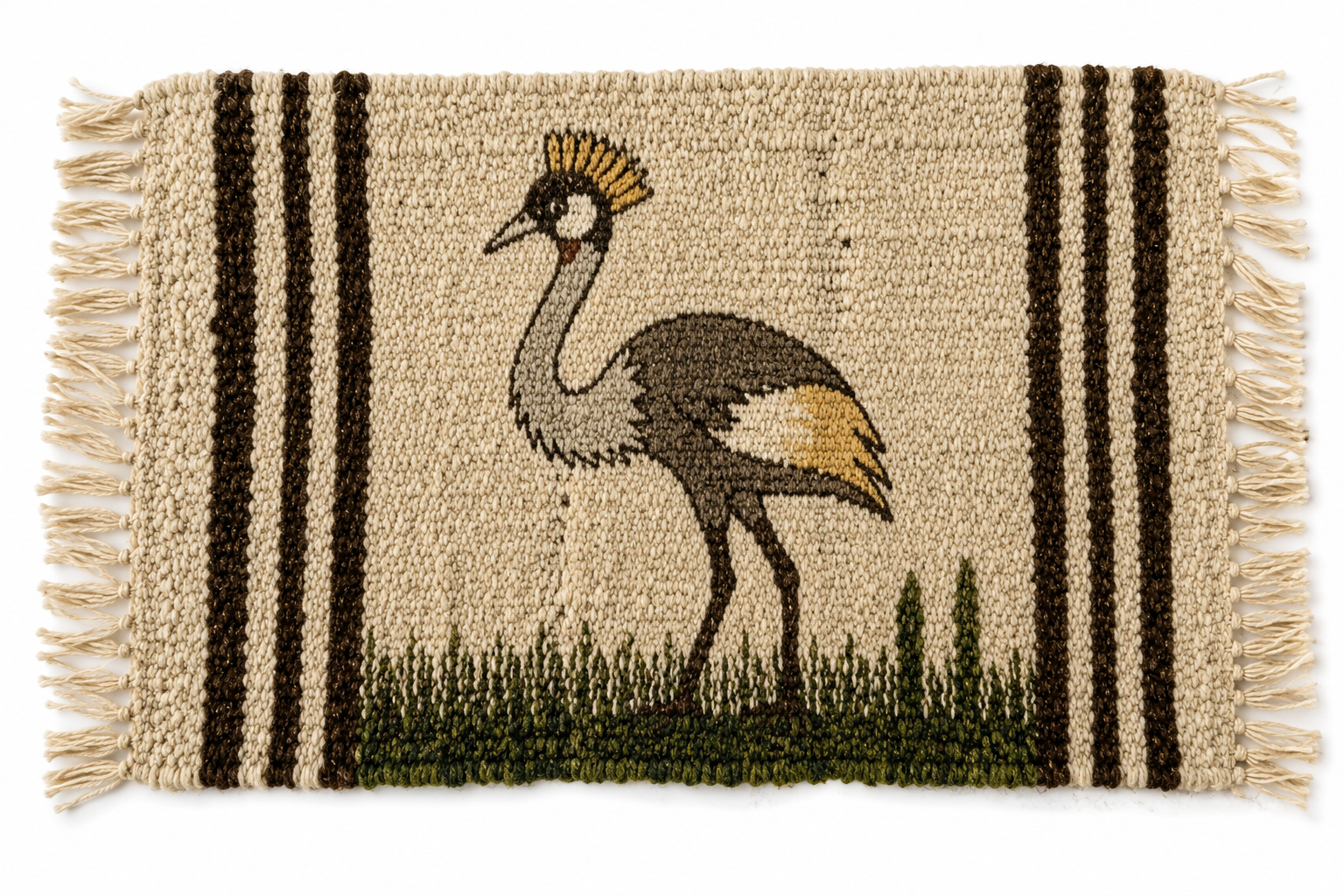
actual products
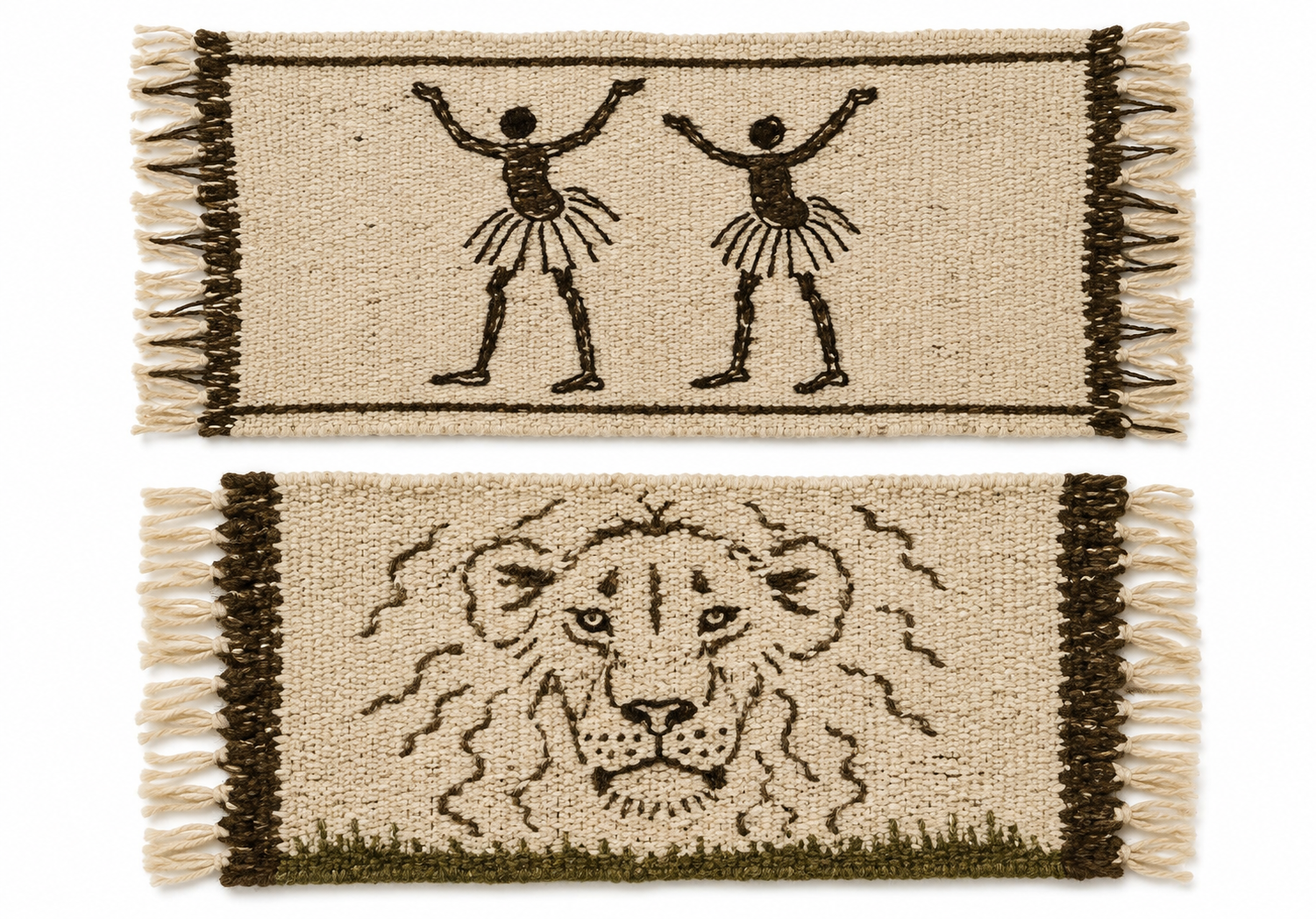
actual products
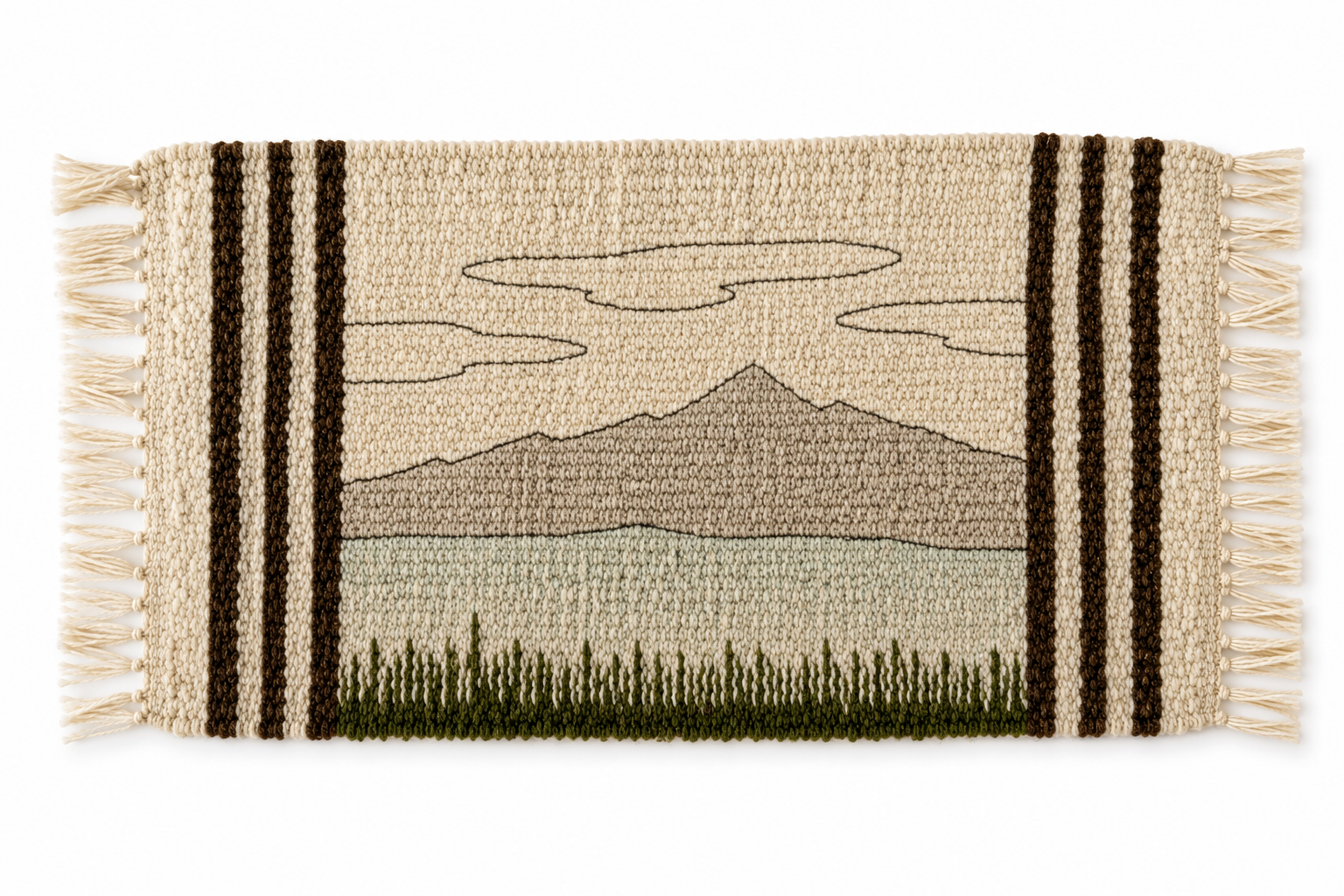
actual products
